

When to Start Working with a College Consultant: Your Timing Guide
The question of when to start working with a college consultant is one many families ask, and for good reason. The college admissions process unfolds over several years, and the kind of support a student needs can look different depending on timing. Some families are looking for early structure around academics and activities, while others are navigating applications, essays, and deadlines in real time. There is no single right starting point. The most effective timing depends on a student’s goals, readiness, and where clarity or organization is needed most.
Working with a college consultant is not about accelerating the process or chasing outcomes. It is about bringing structure to decision making, breaking the process into manageable steps, and helping students stay organized as expectations increase. Whether support begins in freshman year with planning and skill building, in junior year with college exploration and testing strategy, or later with applications and essays, the focus remains the same: thoughtful planning, clear timelines, and guidance that allows students to present themselves authentically.
This guide walks through the most common entry points for working with a college consultant and explains what support typically looks like at each stage. The goal is to help families understand their options and choose a starting point that feels informed and manageable, not pressured. At Friedman College Consulting, guidance is personal and direct — you’ll work with me, not a team.
Quick Summary / Key Takeaways
If you only remember 5 things from this guide, make it these:
There is no single “right” time to start with a college consultant. The best timing depends on a student’s needs, goals, and where they are in the process.
Starting in freshman or sophomore year allows time for intentional academic planning, meaningful extracurricular development, and skill building, which can reduce pressure later on.
Junior year is a common entry point, with support often focused on testing timelines, college list development, and early application planning.
Even when starting in late junior or senior year, students can still benefit from structured support with essays, applications, deadlines, and final decisions.
College consultants provide strategic planning and clear structure, not tutoring, helping students present their story thoughtfully and keeping the process organized and manageable for families.
When Different Stages of College Consulting Are Most Helpful
Timing | Primary Focus | Student Readiness | Practical Benefit |
Freshman / Sophomore Year | Academic planning, extracurricular direction, skill and habit building | Exploring interests and developing long term goals | Creates early structure and reduces pressure later |
Early Junior Year | Course planning, testing timeline, early college exploration | Clarifying academic profile and initial college considerations | Establishes organization before application planning begins |
Mid Junior Year | College list development, testing decisions, essay brainstorming | Actively evaluating college options and requirements | Provides structure and pacing for the application cycle |
Late Junior / Senior Year | Application execution, essay development, deadline management | Focused on submissions and immediate decisions | Supports timely completion and reduces last minute stress |
How College Consulting Differs From Other Forms of Support
Support Type | Primary Role | Typical Scope | What It Supports |
College Consultant | Strategic admissions guidance | Planning, timelines, college list building, essays, applications | Organized, well paced, authentic applications |
School Counselor | General academic and college advising | Scheduling, graduation requirements, basic college information | Broad guidance with limited individual planning time |
Academic Tutor | Subject specific academic support | Coursework review and test preparation | Improved understanding of academic material |
Essay Coach | Writing focused assistance | Essay mechanics and clarity | Polished writing without broader application strategy |
Before Starting College Consulting: Preparation Checklist
Discuss the student’s current academic standing, interests, and goals for the college process.
Identify what kind of support is needed, such as long term planning, application guidance, or focused help with specific components.
Research consulting approaches to understand how services are structured and whether they align with a one on one, planning focused model.
Schedule an initial consultation to clarify fit, scope of support, communication style, and expectations around timelines and fees.
After Getting Started: Setting Up for a Productive Consulting Relationship
Establish a regular meeting cadence and preferred communication method.
Work together to set clear priorities and a realistic plan for the current stage of the process.
Keep communication open around progress, challenges, and changing interests so guidance stays relevant.
Revisit and adjust the plan as the student’s goals, academic profile, or timelines evolve.

Table of Contents
Section 1: Understanding College Consulting
What exactly does a college consultant do?
How is a college consultant different from a school counselor?
Why should we consider hiring a college consultant?
Section 2: When to Start
Will a consultant guarantee admission to a specific college?
What are the signs that my family might benefit from a consultant?
When is the earliest we should consider a college consultant?
Section 3: Application Support
What are the benefits of starting with a consultant in freshman or sophomore year?
What if a student is unsure about college or still exploring next steps?
What are the benefits of starting with a consultant in freshman or sophomore year?
What exactly does a college consultant do?
A college consultant provides personalized, strategic guidance that helps students navigate the admissions process with clarity and intention. The work goes beyond applications alone and can include academic and course planning, extracurricular development, college list building, and structured support with essays, interviews, and timelines. Rather than focusing on box-checking or prestige, the goal is to help students understand their own story and present it honestly and effectively.
A consultant also brings structure to what can otherwise feel overwhelming. By breaking the process into clear, manageable steps, families gain direction, accountability, and a sense of calm throughout high school. This approach helps reduce stress, prevents last-minute scrambling, and supports students in making informed decisions grounded in fit, authenticity, and long-term goals.
Takeaway:
A college consultant offers personalized, strategic guidance that brings clarity and structure to planning, activities, and applications—helping students navigate the process thoughtfully and confidently.
How is a college consultant different from a school counselor?
A college consultant provides ongoing, individualized guidance built around a student’s goals, timeline, and decision making process. School counselors typically offer broad academic advising and general college information, while a consultant works more closely with a student over time to plan intentionally and stay organized. This can include thoughtful academic planning, support with activities, and guidance through applications and essays, all approached in a clear and structured way.
Rather than one time meetings, the relationship is designed to offer continuity and accountability as the process evolves. With consistent one on one support, students receive clearer timelines, more detailed feedback, and help breaking the admissions process into manageable steps. This added structure allows families to approach college planning with less stress and more confidence, while still working alongside the support already available at school.
Takeaway:
A college consultant differs from a school counselor by offering consistent, individualized guidance that adds structure, clarity, and steady support throughout the college admissions process.
Why should we consider hiring a college consultant?
Families consider working with a college consultant to get clear, personalized guidance through each stage of the college admissions process. A consultant helps students plan coursework and activities intentionally, build a balanced college list, and move through applications and essays with clear timelines and expectations. This structure helps students stay organized and focused without feeling rushed or overwhelmed.
Ongoing one on one support also provides accountability and informed feedback as decisions come up. Instead of reacting late in the process, students work step by step, with help understanding requirements, refining essays, and managing application details. The purpose is not to promise a result, but to support students in presenting an accurate, thoughtful application that reflects who they are.
Takeaway:
A college consultant provides structured, individualized guidance that helps students stay organized, reduce stress, and approach the admissions process with clarity and intention.
Will a consultant guarantee admission to a specific college?
No. Admission decisions are made entirely by colleges, and no ethical consultant can or should guarantee a specific result. The role of a college consultant is to guide students through the process thoughtfully and help them prepare the strongest possible application based on who they are. That includes clear planning, balanced college list development, and structured support with applications and essays, whether through comprehensive guidance or focused application support.
The emphasis is always on fit, preparation, and authenticity rather than promises. By working step by step through timelines, materials, and decisions, students are supported in presenting themselves clearly and honestly. This approach reduces pressure, avoids unrealistic expectations, and keeps the focus on helping students make informed choices that align with their goals and interests.
Takeaway:
A college consultant cannot guarantee admission. The value comes from providing clear guidance and structure so students can present their strongest, most authentic application.
What are the signs that my family might benefit from a consultant?
Families often consider working with a college consultant when the admissions process feels unclear or difficult to manage on their own. This can show up as uncertainty about when to start certain steps, confusion around building a thoughtful college list, or stress related to essays, applications, and deadlines. Some students are motivated and capable but need help staying organized and moving through the process in a steady, structured way.
A consultant can also be helpful when families want a clear plan and an experienced, objective perspective. With one on one guidance, the process is broken into manageable steps, timelines are clarified, and students receive consistent support as decisions come up. The goal is not to rush or promise outcomes, but to bring order, clarity, and calm to a complex process.
Takeaway:
A family may benefit from a college consultant if they want clearer structure, steady guidance, and help navigating admissions thoughtfully without added stress.
When is the earliest we should consider a college consultant?
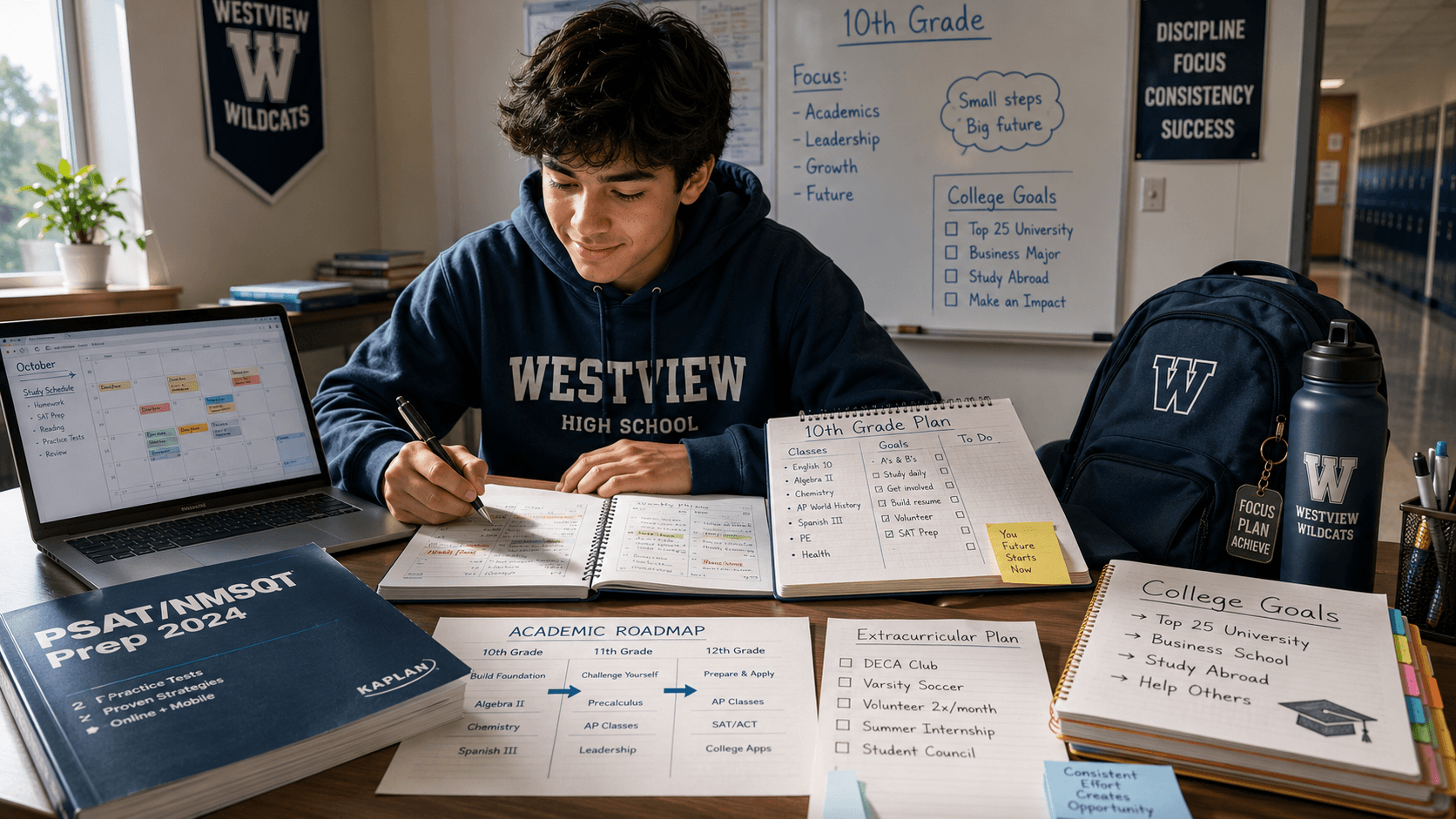
Some families choose to start working with a college consultant as early as freshman or sophomore year of high school, particularly if they want clear structure and long term planning from the beginning. Starting earlier allows time to think intentionally about course selection, extracurricular involvement, and summer opportunities in a way that aligns with a student’s interests and goals, rather than reacting later under time pressure.
Early engagement is not about accelerating the process, but about building a thoughtful foundation over time. With steady guidance and clear steps, students can explore options, develop strong habits, and stay organized as expectations increase. This approach helps reduce stress later on and allows the admissions process to unfold at a manageable pace.
Takeaway:
Families may consider working with a college consultant as early as freshman or sophomore year to establish structure and thoughtful planning that supports students over time.
What are the benefits of starting with a consultant in freshman or sophomore year?
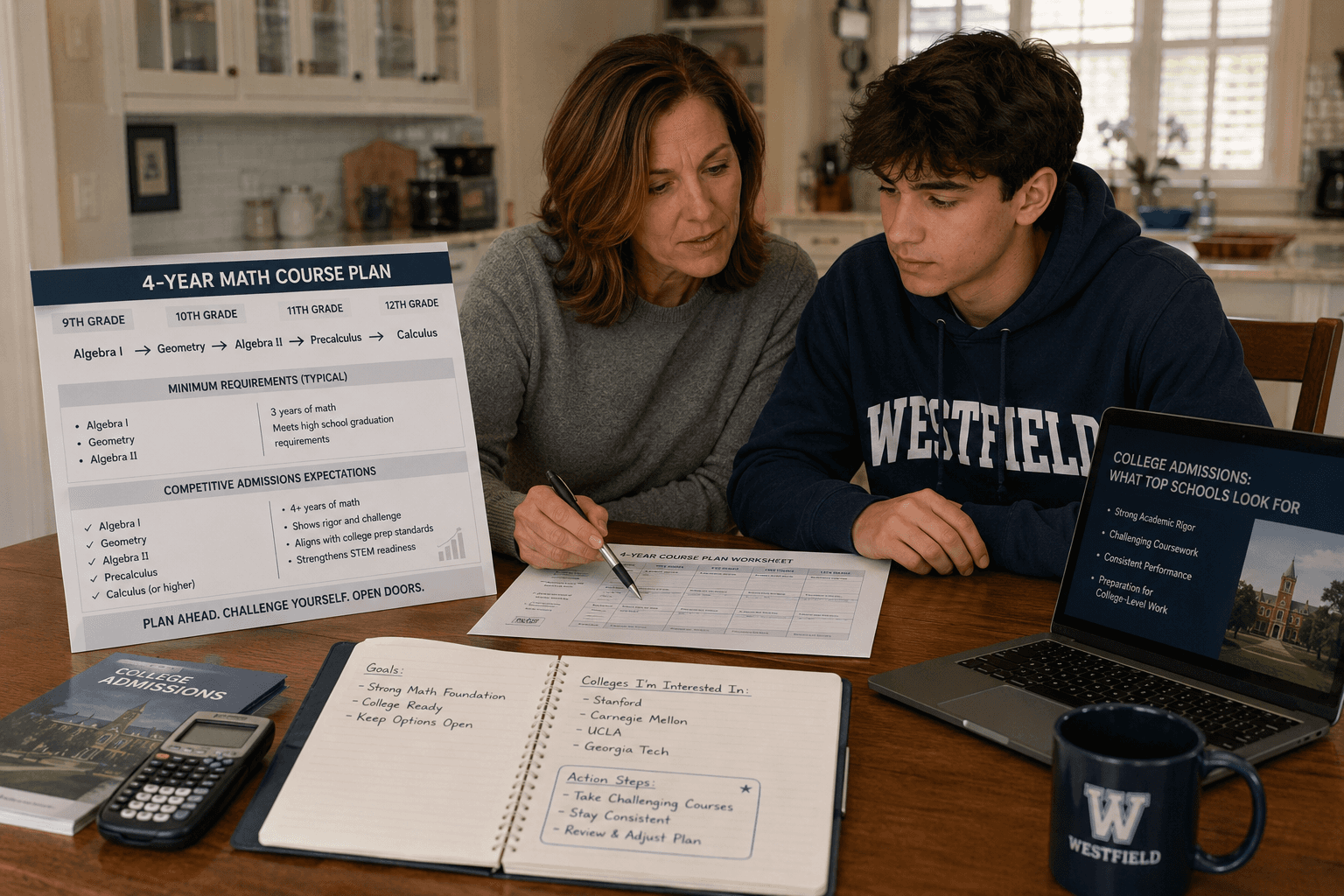
Starting in freshman or sophomore year allows students to build a strong foundation with intention rather than reacting later under pressure. Early guidance can include reviewing transcripts, understanding high school requirements, and making thoughtful course selections aligned with long term goals. Students also receive support identifying extracurricular activities that reflect genuine interests, exploring leadership opportunities, and building organized systems for tracking involvement and progress.
As students move into sophomore year, this foundation supports more strategic positioning. Guidance may expand to include testing timelines, early exposure to different types of colleges, and conversations about academic interests or possible majors. Working step by step over time allows students to develop skills, habits, and direction gradually, reducing stress and creating clarity well before the application phase begins.
Takeaway:
Starting with a consultant in freshman or sophomore year supports intentional academic planning, meaningful involvement, and steady preparation that makes the admissions process more manageable over time.
Is junior year a good time to start working with a consultant?
Yes, junior year is a common and effective time to begin working with a college consultant. This is when many key pieces come together, including testing plans, college exploration, and early application preparation. Support during junior year can help students develop a balanced college list, clarify testing timelines, and begin essay brainstorming in a thoughtful, organized way rather than waiting until deadlines feel close.
Working with a consultant at this stage also helps students plan senior year coursework, identify potential recommenders, and map out a clear application timeline. The focus is on preparation and structure, helping students stay on track as expectations increase and the admissions process becomes more detailed.
Takeaway:
Junior year is a strong starting point for students who want structured guidance with testing, college planning, and early application preparation before senior year begins.
Can we still get value from a consultant if we start in senior year?
Yes. Starting in senior year can still be valuable, especially when students want clear structure and support during the application phase. At this stage, guidance often focuses on creating a personalized application timeline, finalizing a college list based on updated goals, and navigating application platforms. Students also receive support brainstorming, drafting, and revising essays in a way that reflects their authentic voice.
Senior year support can also include reviewing applications before submission, coordinating recommendations, tracking required materials, and preparing for interviews. As decisions are released, guidance may extend to understanding options, comparing financial aid offers, and thinking through next steps. While earlier planning allows for more long-term development, senior year support helps students stay organized, meet deadlines, and move through the final stages of the process with clarity and confidence.
Takeaway:
Even when starting in senior year, a college consultant can provide meaningful support through structured application guidance, essay development, and clear organization during the final stages of admissions.
What if a student is unsure about college or still exploring next steps?
It is common for students to feel uncertain about college, especially earlier in high school. Working with a consultant at this stage can be helpful because the focus is not on applications, but on clarity. Support may include identifying interests, strengths, and academic preferences, as well as exploring different types of colleges and potential areas of study. This allows students to understand their options without pressure to decide too quickly.
Starting from a place of exploration helps students move forward with intention rather than anxiety. With clear structure and thoughtful conversations over time, uncertainty becomes part of the process instead of a setback. The goal is to help students gain confidence in their direction and make informed decisions when they are ready.
Takeaway:
If a student is unsure about college, a consultant can provide structured guidance to explore interests and options thoughtfully, without pressure or urgency.
How do we choose the right college consultant for our student?
When choosing a college consultant, background and experience matter. Look for someone with formal training in college counseling, hands on experience working with students across different regions and school systems, and a clear understanding of how admissions works in practice. A consultant’s professional history can also be important, especially if it reflects strong organizational skills, systems thinking, and the ability to guide students through complex processes thoughtfully.
It can also be helpful to understand how a consultant’s experience was developed. Many consultants come to this work through years of mentorship, direct advising, and exposure to hundreds of student outcomes. A background rooted in ethical practice, individualized guidance, and long term planning often translates into clearer structure, calmer support, and more informed decision making for students and families.
Takeaway:
Choosing the right college consultant means looking for a strong foundation of training, experience, and ethical practice that supports thoughtful, individualized guidance.
What questions should we ask during an initial consultation?
An initial consultation is a chance to understand how the consultant works and whether the approach feels like a good fit. Helpful questions often focus on experience, process, and communication. Families may want to ask how guidance is tailored to individual students, what the overall structure and timelines look like, and what kind of support is included at different stages, such as planning, college list development, or application and essay support.
It can also be useful to ask how communication is handled, how students are supported in staying organized, and what expectations exist around involvement and follow through. The goal of the conversation is not to commit, but to gain clarity. A good consultation should leave families with a clear sense of next steps, how the process would work, and whether the style of guidance feels supportive and manageable.
Takeaway:
During an initial consultation, ask questions that clarify the consultant’s process, experience, communication style, and how support is structured to ensure the right fit.
How much involvement should parents have in the consulting process?
Parents are involved as informed supporters, while the student remains responsible for the work itself. Guidance is structured so students handle planning tasks, essays, and application materials directly, with parents included in key conversations around timelines, decisions, and expectations. This keeps communication clear without parents taking over the process.
Parents typically support by helping with scheduling, deadlines, and logistics, while the consultant works closely with the student on planning, writing, and execution. This structure helps students build independence and ownership, while families stay aligned and informed throughout the admissions process.
Takeaway:
Parents stay involved at a planning and communication level, while the student leads the work with structured guidance and support.
What is the typical cost structure for college consulting services?
College consulting costs are typically structured based on the type and scope of support a family needs. Some students benefit from focused, pay as you go support for specific parts of the process, such as college list building, essay development, or application review. Others choose more comprehensive guidance that spans multiple years and includes planning, timelines, applications, and ongoing support.
What matters most is clarity. Families should understand what services are included, how support is delivered, and how long the engagement is expected to last. A clear explanation of fees and scope upfront helps ensure expectations are aligned and avoids surprises later in the process.
Takeaway:
College consulting costs depend on the level and duration of support, so it is important to understand exactly what services are included and how they are structured before getting started.
How can a consultant help reduce stress during the application process?
Stress is reduced by replacing uncertainty with clear structure. Support focuses on building and managing an application timeline, outlining what needs to be completed for each school, and guiding students through application platforms step by step. Essays are brainstormed and revised over time, applications are reviewed before submission, and required materials such as recommendations, transcripts, and test scores are tracked so nothing is overlooked.
Stress is also reduced by providing consistent guidance and a clear point of contact throughout the process. Students know what they are working on and what comes next, while parents stay informed without having to manage deadlines or details themselves. This structure helps prevent last-minute rushing and keeps the process moving forward in an organized, manageable way.
Takeaway:
A consultant reduces stress by organizing timelines, guiding essays and applications step by step, and managing details so the application process stays clear and controlled.
Recent posts




Schedule Now
Related Articles
Your go-to source for mental health insights, tools, and advice.




FAQ